Apple last week raised prices on 14 of its products, including all Macs and iPads, as well as the Apple TV, HomePod, HomePod mini, and Vision Pro.

A complete list of the starting price increases:
- MacBook Neo: $699, up from $599 (+$100)
- MacBook Air: $1,299, up from $1,099 (+$200)
- MacBook Pro: $1,999 up from $1,699 (+$300)
- iMac: $1,499, up from $1,299 (+$200)
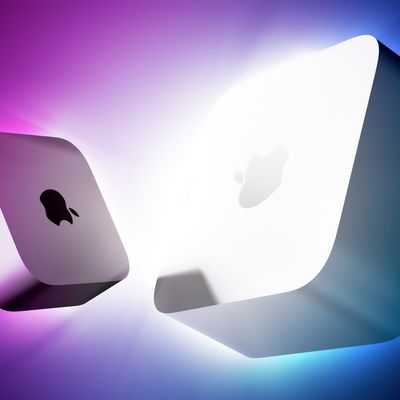
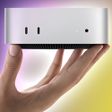
- Mac mini (M4): $799, up from $599 (+$200)*
- Mac mini (M4 Pro): $1,599, up from $1,399 (+$200)
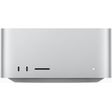
- Mac Studio (M4 Max): $2,499, up from $1,999 (+$500)
- Mac Studio (M3 Ultra): $5,299, up from $3,999 (+$1,300)
- iPad: $449, up from $349 (+$100)
- iPad mini: $599, up from $499 (+$100)
- iPad Air: $749, up from $599 (+$150)
- iPad Pro: $1,199, up from $999 (+$200)
- HomePod mini: $129, up from $99 (+$30)
- HomePod: $349, up from $299 (+$50)
- Apple TV 4K (Wi-Fi): $199, up from $129 (+$70)
- Apple TV 4K (Wi-Fi + Ethernet): $249, up from $149 (+$100)
- Vision Pro: $3,699, up from $3,499 (+$200)
* Apple reintroduced a Mac mini configuration with 256GB of storage, which was previously $599.
iPhone, Apple Watch, AirPods, and Studio Display prices have not changed — for now, at least.
In a statement shared with MacRumors, Apple said it raised prices because of the ongoing memory chip shortage, resulting from companies building out data centers with powerful AI servers. The supply-demand imbalance has led to skyrocketing prices for RAM and SSD storage chips used in a wide range of Apple products.
Apple's full statement:
The consumer electronics industry is facing an unprecedented challenge. The rapid expansion of AI data centers has created an extraordinary surge in demand for memory and storage. We have never seen a component price increase this much, this quickly. We have shielded our customers from these increases so far, but we have now reached a point where we need to begin raising prices on a number of products, including today's increases for iPad and Mac. We know this is not welcome news, and we are working tirelessly to find solutions.
Apple CEO Tim Cook previously said that price increases had become "unavoidable," as the company is facing "significantly higher memory costs."
Apple indicating that it needs to "begin" raising prices suggests that additional price increases might occur later. On the other hand, Apple noting that it is "working tirelessly to find solutions" suggests that prices might eventually come down again.
Apple is far from the only tech company that has raised prices in response to the memory chip shortage, with others including Microsoft, Samsung, Lenovo, HP, Dell, and more. Memory chip supplier Micron expects the shortage to last through 2027, so elevated prices could be the norm for another year and a half or longer.