Original iPhone Loses Its Last Cellular Network as T-Mobile Kills 2G
T-Mobile retired its 2G GSM network on Monday, August 3, which means all three major carriers in the United States have now ended 2G service.
T-Mobile kept its 2G network active because it still had some legacy customers who were using it. Some customers visiting the United States and using international roaming carrier agreements for connectivity also needed 2G for voice calling, but T-Mobile worked with carriers globally to prepare for the end of its 2G network.
Customers who were still on T-Mobile's 2G network were warned well ahead of time about the shutdown and given time to transition. Smartphones, alarm panels, payment terminals, and other IoT accessories that used 2G will no longer function.
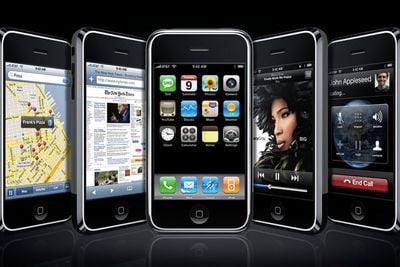
AT&T ended support for 2G almost a decade ago in 2017, and Verizon stopped supporting 2G in 2020. Now that no carriers in the U.S. support 2G, legacy devices like the original iPhone will not be able to connect to any cellular network. The iPhone technically lost cellular support in 2017 when AT&T sunset its 2G network, and now the last workaround is gone.
All three carriers also ended support for 3G back in 2022, and have also abandoned early LTE iPhones without VoLTE support.
Popular Stories
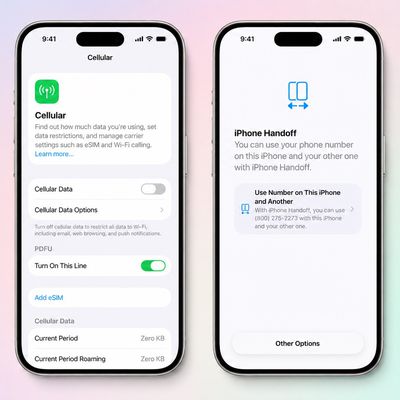
T-Mobile will charge customers $5 per month to use iPhone Handoff, an e-SIM feature that allows the same phone number to be used on two separate iPhones.
iPhone Handoff requires carrier support, and at launch, only T-Mobile users in the U.S. and Deutsche Telekom users in Germany will be able to use it.
T-Mobile says customers can use their number across two compatible iPhone models and...
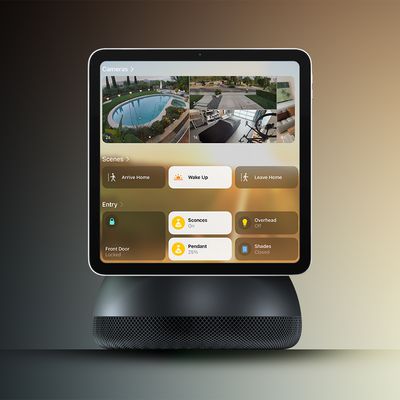
Apple's long-rumored smart home hub will have an iMac G4-style design and a host of unique features, Bloomberg's Mark Gurman reports.
The smart home hub is said to feature a square 6-inch display, with variants that can be placed on a countertop or mounted on a wall. It features a single FaceTime camera on the front, with microphones and speakers in its connected base. Gurman described the...
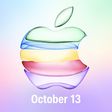
Apple plans to introduce a series of new smart home products on Tuesday, October 13, according to Bloomberg's Mark Gurman.
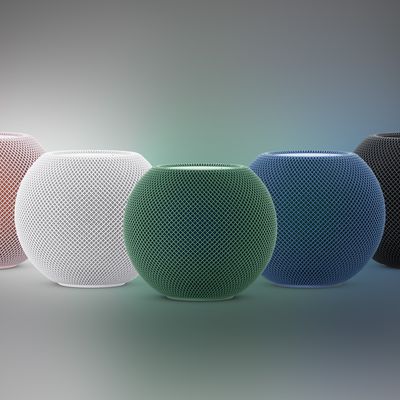
Apple reportedly plans to debut its long-awaited smart home hub device, a new HomePod mini, and a new Apple TV on the date. The new HomePod mini and Apple TV are set to retain their existing designs, but tout faster chips to support Siri AI. The new HomePod mini will...