Apple, co-founded by Steve Jobs, Steve Wozniak, and Ronald Wayne on April 1, 1976, celebrates its 40th anniversary today.
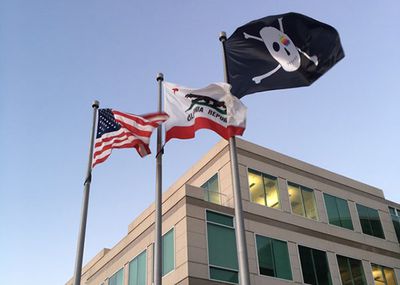
Last night, the company hung up a pirate flag at its One Infinite Loop campus to pay homage to the Jobs-led team that worked on the original Macintosh, which was viewed as rebellious at a time when Apple was focusing on the Lisa.
From near-bankruptcy to becoming the world's most valuable public company, Apple has been through a series of highs and lows over the past four decades.
Apple's history is vast, but the timeline below provides a basic overview of some of the company's important moments over the years.
Apple Timeline
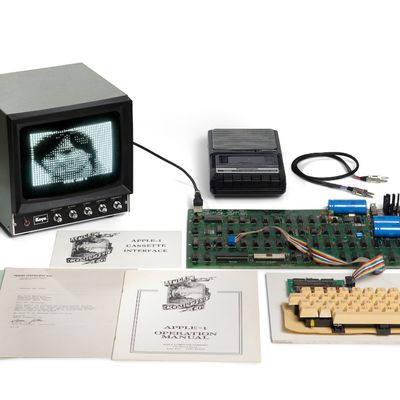
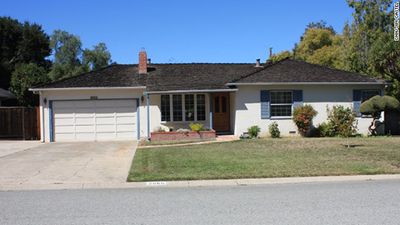
1976 - Apple's history begins in the garage of Steve Jobs' childhood home in Los Altos, California, where Steve Wozniak and Jobs tested -- but designed elsewhere -- the first Apple I computers, which they later introduced at the Homebrew Computer Club. The Byte Shop places 50 orders. The computer later sells for $666.66.
1976 - Ronald Wayne designs the first Apple company logo, and prepares the trio's first partnership agreement, but relinquishes his 10% stake in the Apple Computer Company for $800 just twelve days later to avoid the potential financial risk. Wayne has assets that creditors could seize if the partnership becomes indebted.
1977 - Apple Computer Inc. incorporates on January 3, 1977.
1977 - Apple introduces its first successful product, the Apple II computer, for $1,298 after multimillionaire Mike Markkula invests $92,000 in the company. Markkula also helps Apple secure credit and additional venture capital, and recruited Michael Scott from National Semiconductor to be Apple's first CEO.
1978 - Apple begins development of the unsuccessful Apple III.
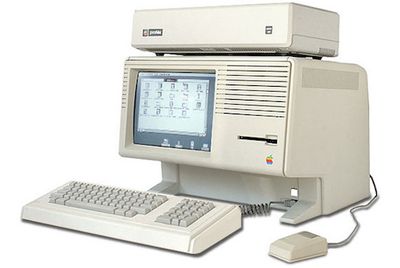
1979 - Jef Raskin, a human interface expert who joined Apple a year prior, receives approval to begin work on the Macintosh project. Raskin names the computer after the McIntosh apple, his favorite fruit. The Lisa Project, another personal computer, also begins under Ken Rothmuller, with a projected shipping date of 1981.
1980 - Apple launches its IPO and becomes a publicly traded company on December 12, 1980, selling 4.2 million shares for $22 each. The company generates more capital, and instant millionaires, than any IPO since Ford Motor Company in 1956. Apple continues to trade on the NASDAQ under the stock ticker AAPL today.
1981 - IBM introduces a low-spec PC for $1,565, and eclipses Apple's market share within two years, as the Apple Lisa misses its shipping target. Apple experiences its first internal shakeup, with Markkula replacing Scott as president, Jobs becoming chairman, and Wozniak taking a leave of absence.
1982 - Steve Jobs is forced out of the Lisa project and takes over control of the Macintosh project from Jef Raskin, who subsequently resigns.
1983 - Apple launches the Lisa on January 19, 1983, but sells only 100,000 units due to the personal computer's expensive $9,995 price tag, compatibility issues, and perceived slow performance among consumers due to the Motorola 68000 processor's difficulty in running the complex Lisa operating system.
1983 - Steve Jobs convinces John Sculley, then president of Pepsi-Cola, to join Apple as president and CEO on April 8, 1983. Sculley was convinced after Jobs asked him the following: "Do you want to sell sugared water for the rest of your life? Or do you want to come with me and change the world?"
1984 - Apple's iconic "1984" commercial airs during a break in the third quarter of Super Bowl XVIII on January 22, 1984. The one-minute spot, based on George Orwell's novel of the same name, introduces the original Macintosh. The ad's intended message is Macintosh combating the conformity of "Big Brother," sometimes interpreted as IBM.
Watch on YouTube1984 - Steve Jobs introduces the Macintosh at Apple's annual shareholders meeting on January 24, 1984 for $2,495.
Watch on YouTube“Hello, I’m Macintosh. It sure is great to get out of that bag. Unaccustomed as I am to public speaking, I’d like to share with you a maxim I thought of the first time I met an IBM mainframe: NEVER TRUST A COMPUTER YOU CAN'T LIFT! Obviously, I can talk, but right now I’d like to sit back and listen. So, it is with considerable pride that I introduce a man who’s been like a father to me… STEVE JOBS.”