Apple Introduces Revamped Two-Factor Authentication for iOS 9 and OS X El Capitan - MacRumorsOpen MenuShow RoundupsShow Forums menuVisit ForumsOpen Sidebar
Skip to Content

Apple Introduces Revamped Two-Factor Authentication for iOS 9 and OS X El Capitan

With the third betas of iOS 9 and OS X 10.11 El Capitan, Apple is introducing a revamped two-factor authentication system, according to both the beta release notes and a detailed support FAQ that outlines the changes.

The new two-factor authentication system is different from Apple's existing two-step verification system, using "different methods" to trust devices and deliver verification codes. Apple also says it includes a "more streamlined user experience."

Based on the support document, the new two-factor authentication system works similarly to the existing two-step verification system. Any device that you sign into using two-factor authentication in iOS 9 or El Capitan becomes a trusted device that can be used to verify identify when signing into other devices or services linked to an Apple ID.
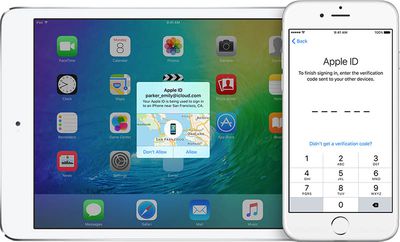
appletwostepauth
Apple recommends that iOS 9 and OS X El Capitan beta testers using the new two-factor authentication system update all of their devices to iOS 9 or El Capitan for "the best experience." As outlined in the release notes, customers who use two-factor authentication with older devices may be required to put a six-digit verification code at the end of a password instead of using a dedicated verification field.

If you enable two-factor authentication, iTunes purchases on Mac and Windows will require you to append a 6-digit code to the end of your password on every purchase. The 6-digit code will automatically be sent to your iOS 9 or OS X El Capitan devices.

Older devices are also not able to receive two-factor authentication codes when used with devices running iOS 9 and El Capitan, but customers who stick with the older two-step verification system should not run into any issues as Apple tests the newer two-factor authentication system. Apple does not recommend that customers using two-step verification swap over to two-factor authentication until the feature is available to all.

First introduced in March of 2013, two-factor verification is an opt-in system that increases the security of Apple ID accounts. Since its debut, Apple has been working to expand two-factor authentication to cover several different services like iCloud, iMessage, and FaceTime.

It is not entirely clear what other changes the new two-factor authentication system brings to iOS and Mac devices, but the switch to a new system may allow Apple to further extend the functionality of two-factor authentication in the future.

Update: An Apple spokesperson told Macworld that the troublesome recovery key feature that has caused people to lose their Apple ID accounts in the past has been removed in the new two-factor authentication system.

With the existing two-step verification system, either a recovery key or a trusted device/trusted phone number is required to access an Apple ID account. If both should be lost, such as when a trusted device is stolen, an Apple ID is irretrievable.

With the new authentication system, Apple's customer support team will help users recover their Apple IDs through a recovery process should both trusted devices and phone numbers become inaccessible.

If you can't sign in, reset your password, or receive verification codes, you can regain access to your account by requesting account recovery. Simply provide a verified phone number where you can receive a text message or phone call regarding your account. Apple will review your case and contact you at the number provided when your Apple ID is ready for recovery. The automated message will direct you to iforgot.apple.com to complete the required steps and regain access to your account.

Account recovery will take a few days—or longer—depending on how much information you can provide to verify that you are the account owner. The process is designed to get you back into your account as quickly as possible while denying access to anyone who might be pretending to be you.

As noted by Apple, not all beta testers and developers will have access to the new two-factor authentication system right away, but Apple plans to add additional testers gradually as we get closer to the release of iOS 9 and OS X El Capitan.
Related Forums: iOS 9, OS X El Capitan

Popular Stories

Apple Event Logo

Apple Working on All-New Operating System

Wednesday July 29, 2026 11:39 am PDT by
Apple is developing an all-new operating system that is essentially a mix of tvOS, watchOS, and iOS, according to Bloomberg's Mark Gurman. In a report this week, he said the operating system will feature a grid of icons, widgets, and apps, along with customizable clock faces. The new software platform is intended for Apple's long-rumored smart home hub. With built-in facial recognition,...
imac video apple feature

Apple Made Its Second-Biggest Acquisition Ever This Year

Wednesday July 29, 2026 12:03 pm PDT by
Apple this year acquired Israeli startup Q.ai for close to $2 billion, according to the Financial Times. That would make this Apple's second-biggest acquisition ever, after it paid $3 billion for the popular headphone maker Beats in 2014. This is also the largest known Apple acquisition since the company purchased Intel's smartphone modem business and patents for $1 billion in 2019. Q.ai...
Four iPhone 18 Pro Colors Mock Feature

iPhone 18 Pro and iPhone Ultra: Pre-Orders and Release Date

Thursday July 30, 2026 6:12 am PDT by
Apple has yet to reveal when the iPhone 18 Pro and iPhone Ultra will be announced and released, but the dates usually follow a familiar pattern. Labor Day is September 7 this year. The last time the holiday fell on that day was in 2020, but the iPhone event that year was delayed until October due to the COVID-19 pandemic. So, the last time Labor Day was on September 7 in a normal year was in ...

Top Rated Comments

144 months ago
The fact that people are involved isn't what concerns me. What concerns me is that for this to work Aplle must retain the ability to access your account, meaning they can be obliged to access your account by the American government, and people hacking Apple can access your account too. This I bad news. Remember when Apple were promoting the fact that if the NSA asked for access to your account Apple were unable to comply even if they wanted to? Clearly this is no longer the case.
This, a thousand time this. Apple being able to provide access to your account means apple holds the master key to unlock your account. This is a blow to us who rely on Apple for privacy as it's allows open season access for the US Govt or clever social engineers.
Score: 8 Votes (Like | Disagree)
christarp Avatar
144 months ago
Good, app specific passwords, two factor authentication, etc as it is right now is just confusing as all hell. It took me like 30 minutes to sign into imessage on my mac because of the app specific password crap. It was a PITA to set up.
Score: 8 Votes (Like | Disagree)
mazz0 Avatar
144 months ago
Idiots!

Why are they involving humans in recovery process yet again???

Did they not learn from the infamous 2012 case???

Leave it 100% to machines!!

Humans can be easily manipulated.
The fact that people are involved isn't what concerns me. What concerns me is that for this to work Aplle must retain the ability to access your account, meaning they can be obliged to access your account by the American government, and people hacking Apple can access your account too. This I bad news. Remember when Apple were promoting the fact that if the NSA asked for access to your account Apple were unable to comply even if they wanted to? Clearly this is no longer the case.
Score: 7 Votes (Like | Disagree)
jclo Avatar
144 months ago
Hey Juli Clover,

Did you just post two different articles on macrumors.com that started with the same introduction?!

Recycling at its heights, journalism at its lows.
Those two posts were written simultaneously because they were interrelated and it was at a time when we were doing a million things at once. I didn't mean to word them exactly the same way though, so I apologize for that, and I've changed the beta post.

Sometimes when you write, you skip over whole words and phrases when you read it back to yourself and repetitive bits like that can go entirely under the radar. Sorry for the brain fart there.

By the way, if you see a typo or a title/phrase/word in a post that you have an issue with, you can email us and it'll get our attention faster. It sometimes it takes me awhile to get back to the comments on a post when it's busy. tips at macrumors.com or juli at macrumors.com.
Score: 3 Votes (Like | Disagree)
jkbuster Avatar
144 months ago
Apple still refuses to use my Google Voice # for authentication purposes. Not real enough for Apple, but I use it daily. Ah well.
I'm guessing they take advantage of email -> text addresses provided by phone carriers. Unfortunately, Google has not made this available for Voice. I'd use it in a ton of places as well.

As for having the ability to have them to let you back into your account in case you're locked out, I hope that isn't a requirement for everyone. As someone who operates rather securely, if I screw something up and lock myself out, I want that data to be completely inaccessible. I do not want Apple retaining a secondary backup key to access my information; only I should have the key. Though, not everyone is comfortable with the potential loss of data, which is why it should be an opt-in feature.
Score: 3 Votes (Like | Disagree)
Robert.Walter Avatar
144 months ago
Good, app specific passwords, two factor authentication, etc as it is right now is just confusing as all hell. It took me like 30 minutes to sign into imessage on my mac because of the app specific password crap. It was a PITA to set up.
Agree. I have to complete the App Specifice passwords things so often I wonder how I would recognize if they were bogus pfishing attempts.
Score: 3 Votes (Like | Disagree)

🔗 Related Apple News & Rumors

Stay updated with the latest Apple ecosystem news and verified rumors