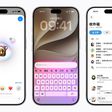
Chrome for iOS Gains Biometric Authentication for Incognito Tabs
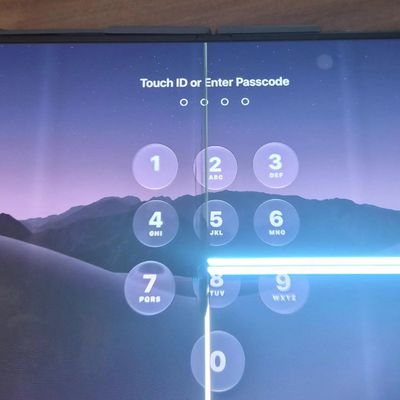
Google today updated its Chrome app for iOS devices to version 92, introducing a new feature that allows iPhone and iPad users to protect their Incognito tabs with Touch ID, Face ID, or a passcode.
Locked Incognito tabs will not be visible until authenticated after leaving the Chrome app and reopening it, which will prevent someone who gets ahold of your device from viewing your Chrome tabs. To enable this feature, you can go to Settings > Privacy > Lock Incognito tabs. Safari does not have a comparable feature for its Private tabs.
Along with protection for Incognito tabs, Google has also added a feature for taking a screenshot of an entire web page. When taking a screenshot, use the "Full Page" option at the top of the screenshot editor to capture the entire page.
There's also a new Discover design on the New Tab Page, and Settings, History, and Bookmarks have been redesigned. Chrome will now ask for confirmation if you want to close all tabs from the Tab Switcher to prevent accidents, and individual tabs can be shared, bookmarked, and added to a reading list from the Tab Switcher.
Chrome can be downloaded from the iOS App Store for free. [Direct Link]
Popular Stories
Apple has launched a new "Switch to Safari" marketing campaign that encourages Chrome users to switch to Safari as their web browser of choice on the Mac.
"Safari is a more powerful and private browser than Chrome," says Apple.
Apple has a new "Switch to Safari" page on its website that outlines more than 10 reasons that Chrome users should switch to Safari, including faster performance...
In a memo shared with Apple Stores and Apple Authorized Service Providers this week, and later obtained by MacRumors, Apple provided technicians with guidance on how to diagnose and address the iPhone Duo's inner display cracking issue.
If a customer reports the issue, Apple advised technicians to inspect the iPhone Duo and repair or replace it in accordance with their standard procedures....
While the new iPad mini has an OLED display, the device does not support ProMotion, meaning the display's refresh rate is limited to 60Hz instead of 120Hz.
ProMotion support would have allowed for the iPad mini's refresh rate to automatically adjust from 10Hz to 120Hz depending on the content being displayed, but evidently Apple has kept the feature exclusive to the iPad Pro among iPad...