USB4 Specification Merges Thunderbolt 3 and USB With Transfer Speeds up to 40Gb/s
The USB4 specification for a new version of USB was today published by the USB Implementers Forum [PDF] giving us details on what to expect from the next-generation USB architecture following a preview back in March.
USB4 is a major update that "complements and builds upon" the current USB 3.2 2x2 (USB-C) and USB 2.0 architectures. According to the USB-IF, the USB4 architecture is based on Thunderbolt, doubling the maximum bandwidth of USB and allowing for multiple simultaneous data and display protocols.
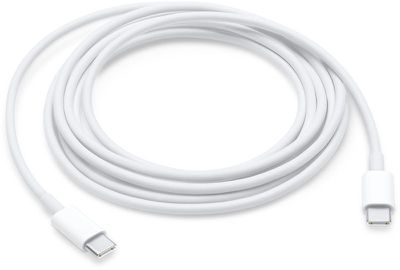
The USB-IF outlined key specifications of the USB4 architecture, such as 40Gb/s speeds (twice the current 20Gb/s maximum) and backwards compatibility with USB 3.2 and Thunderbolt 3.
- Two-lane operation using existing USB Type-C cables and up to 40Gbps operation over 40Gbps certified cables
- Multiple data and display protocols that efficiently share the maximum aggregate bandwidth
- Backward compatibility with USB 3.2, USB 2.0 and Thunderbolt 3
USB4 will use the same USB-C connector design as USB 3, which means manufacturers will not need to introduce new USB4 ports into their devices.
Apple's newest Macs offer support for USB-C and Thunderbolt 3, which means most Mac users are already experiencing USB4 speeds when using Thunderbolt 3 cables and devices, but USB4 will make Thunderbolt-style speeds the new default and it will lower the cost of devices that use these faster transfer speeds.
USB Power Delivery will be required in devices built for USB4, which also means we can expect to see higher-powered chargers with multiple USB4 ports.
Though the USB4 specification is complete, it will still be some time before we can expect to see devices that take advantage of USB4. It typically takes at least a year for new products to come out following the finalization of a new specification, so it will be late 2020 or beyond before we begin seeing USB4 devices.
Popular Stories
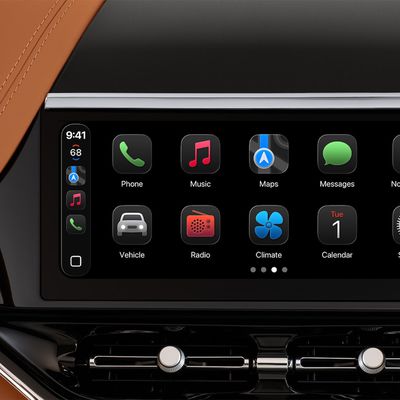
Last year, Apple launched CarPlay Ultra, the long-awaited next-generation version of its CarPlay software system for vehicles. Nearly nine months later, CarPlay Ultra is still limited to Aston Martin's latest luxury vehicles, but that should change fairly soon.
In May 2025, Apple said many other vehicle brands planned to offer CarPlay Ultra, including Hyundai, Kia, and Genesis.
In his Powe...
Apple today confirmed to Reuters that it has acquired Q.ai, an Israeli startup that is working on artificial intelligence technology for audio.
Apple paid close to $2 billion for Q.ai, according to sources cited by the Financial Times. That would make this Apple's second-biggest acquisition ever, after it paid $3 billion for the popular headphone and audio brand Beats in 2014.
Q.ai has...
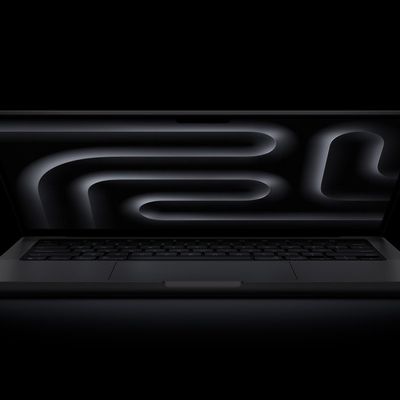
The calendar has turned to February, and a new report indicates that Apple's next product launch is "imminent," in the form of new MacBook Pro models.
"All signs point to an imminent launch of next-generation MacBook Pros that retain the current form factor but deliver faster chips," Bloomberg's Mark Gurman said on Sunday. "I'm told the new models — code-named J714 and J716 — are slated...
Apple recently updated its online store with a new ordering process for Macs, including the MacBook Air, MacBook Pro, iMac, Mac mini, Mac Studio, and Mac Pro.
There used to be a handful of standard configurations available for each Mac, but now you must configure a Mac entirely from scratch on a feature-by-feature basis. In other words, ordering a new Mac now works much like ordering an...
Apple is planning to launch new MacBook Pro models with M5 Pro and M5 Max chips alongside macOS 26.3, according to Bloomberg's Mark Gurman.
"Apple's faster MacBook Pros are planned for the macOS 26.3 release cycle," wrote Gurman, in his Power On newsletter today.
"I'm told the new models — code-named J714 and J716 — are slated for the macOS 26.3 software cycle, which runs from...