Second-Generation iPhone X Estimated to Cost Apple Up to 10% Less to Manufacture
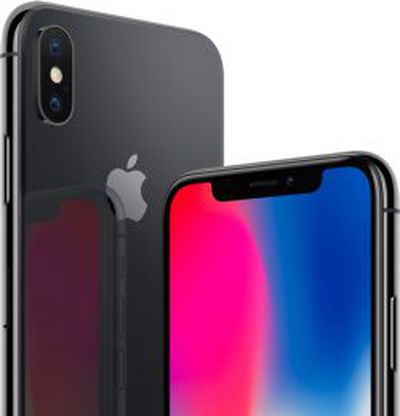 Apple has managed to reduce the manufacturing cost of its iPhone X successor to a level much lower than the current flagship model, according to DigiTimes' research analyst Luke Lin.
Lin cited information from Apple's upstream supply chain as indicating that the new device's MBOM [manufacturing bill of materials] will be more than 10% lower than that for iPhone X. He added that the MBOM of the iPhone X was more than US$400 in 2017.
Apple is rumored to be introducing three iPhones in 2018: The first is said to be a second-generation version of the iPhone X, with the same 5.8-inch OLED display, while the second can be thought of as an "iPhone X Plus" with a larger 6.5-inch OLED display.
Apple is also reportedly planning to introduce a new, more affordable 6.1-inch iPhone with an LCD display. However, recent engineering samples from the 5.8-inch device are said to show components with lower-level specifications or lower capacities than those of the 6.1-inch LCD iPhone, with LPDDR memory being one of the major differences.
According to Lin, the cost reduction could see Apple position the new 5.8-inch device as the cheapest model of all three next-generation iPhone models. The analyst also believes a project to develop a 5.8-inch LCD iPhone has been suspended since the end of the Lunar New Year holidays in mid-February and may be eventually terminated.
Lin reckons weak demand for iPhone X meant Apple needed a lot less OLED panels from Samsung than it said it would, which gave the Korean firm more bargaining power with regards to panel quotes for the next generation of iPhones. However, Apple has supposedly reached an agreement with Samsung and secured "satisfactory terms" that will prevent display panel cost increases.
DigiTimes' sources often provide reliable information, but the site has a mixed track record when it comes to interpreting that information and accurately deciphering Apple's plans, so it would be wise not to base any future purchasing decisions on today's report.
Popular Stories
Last year, Apple launched CarPlay Ultra, the long-awaited next-generation version of its CarPlay software system for vehicles. Nearly nine months later, CarPlay Ultra is still limited to Aston Martin's latest luxury vehicles, but that should change fairly soon.
In May 2025, Apple said many other vehicle brands planned to offer CarPlay Ultra, including Hyundai, Kia, and Genesis.
In his Powe...
The calendar has turned to February, and a new report indicates that Apple's next product launch is "imminent," in the form of new MacBook Pro models.
"All signs point to an imminent launch of next-generation MacBook Pros that retain the current form factor but deliver faster chips," Bloomberg's Mark Gurman said on Sunday. "I'm told the new models — code-named J714 and J716 — are slated...
We are still waiting for the iOS 26.3 Release Candidate to come out, so the first iOS 26.4 beta is likely still at least a week or two away. Following beta testing, iOS 26.4 will likely be released to the general public in March or April.
Below, we have recapped known or rumored iOS 26.3 and iOS 26.4 features so far.
iOS 26.3
iPhone to Android Transfer Tool
iOS 26.3 makes it easier...
Apple is planning to launch new MacBook Pro models with M5 Pro and M5 Max chips alongside macOS 26.3, according to Bloomberg's Mark Gurman.
"Apple's faster MacBook Pros are planned for the macOS 26.3 release cycle," wrote Gurman, in his Power On newsletter today.
"I'm told the new models — code-named J714 and J716 — are slated for the macOS 26.3 software cycle, which runs from...
In 2022, Apple introduced a new Apple Home architecture that is "more reliable and efficient," and the deadline to upgrade and avoid issues is fast approaching.
In an email this week, Apple gave customers a final reminder to upgrade their Home app by February 10, 2026. Apple says users who do not upgrade may experience issues with accessories and automations, or lose access to their smart...